
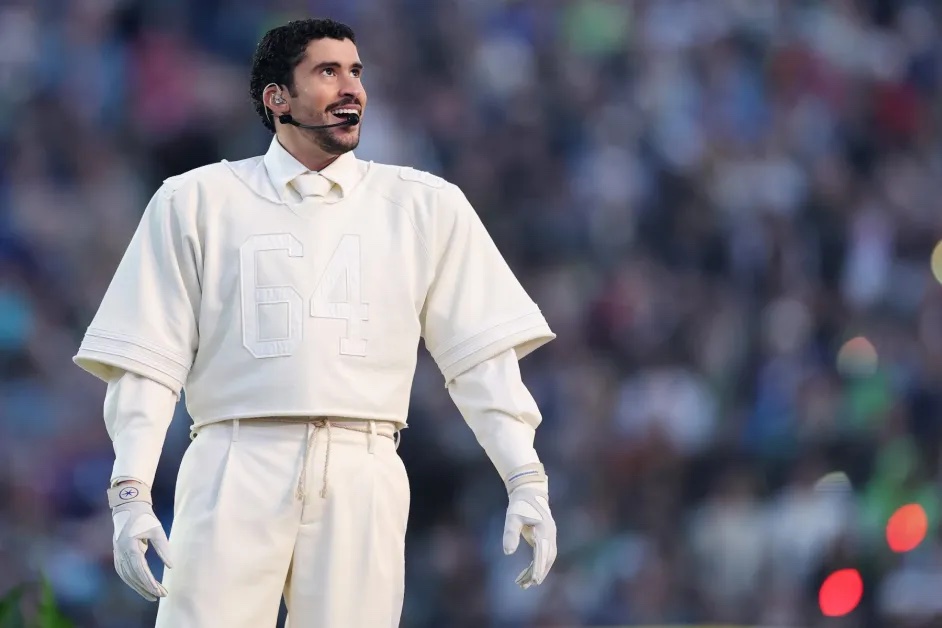
Latin music is as popular as ever, so it makes sense that stars like Bad Bunny are embroiled in a growing number of major legal battles in U.S. courts. As the old music lawyer adage goes: “Where there’s a hit, there’s a writ.” The genre has boomed in recent years, becoming the fastest-growing core music genre in the U.S. and hitting a record-breaking $1.4 billion in revenue in 2024, marking the genre’s third consecutive year surpassing $1 billion. “Latin music in the U.S. continues to gain popularity and generate increased value thanks to the incredible artists whose music connects across language and geographical barriers,” said the Recording Industry Association of America’s Matt Bass in an October report. All that explosive growth has been fueled not only by the global superstardom of Bunny — who played this year’s Super Bowl and cleaned up at the Grammy Awards — but also by the rise of artists like Colombian star Karol G and regional Mexican powerhouses Fuerza Regida and Peso Pluma. But with great success comes great disputes. Reggaeton stars, like Bunny himself, are facing unprecedented litigation over how key elements of their music are covered by copyright laws. Other big names, like Del Records founder Ángel del Villar, are fighting criminal charges that could put them behind bars for years. Still others, like Daddy Yankee, are using the courts to bring their own stunning allegations against others. To get you up to speed, here’s Billboard‘s quick guide to Latin music’s major lawsuits, criminal cases and legal battles. We break down five major cases and everything you need to know about them, followed by five more key legal disputes to watch in the months ahead. There is no bigger Latin music legal battle than the sprawling copyright lawsuit over the origins of reggaeton’s dem bow rhythm — the boom-ch-boom-chick, boom-ch-boom-chick used in nearly every song in the genre. The case claims that crucial element was essentially stolen from a single 1989 song, and that it’s time for the music business to pay up. The scale of the case is staggering. It targets Bad Bunny, Karol G, Daddy Yankee and more than 150 other artists as defendants, plus units of all three major music companies, claiming that nearly 2,000 of their songs were illegal. If successful, it would mean that almost all reggaeton artists would need to pay licensing fees to use a core aspect of the genre. As experts previously told Billboard, the case could have a disruptive effect on reggaeton — a booming genre that’s risen alongside Bad Bunny from the clubs of Puerto Rico to the very top of the global music business. “This case is jaw-dropping,” said Jennifer Jenkins, a Duke University law professor. “If they win, this would confer a monopoly over an entire genre.” A judge refused to dismiss the case in 2024, and following a key hearing in December, it’s now primed for a major ruling on crucial questions, which will determine whether the lawsuit is dismissed or can move ahead to a jury trial. Stay tuned. Ángel Del Villar founded Del Records in 2008 and built it into a powerhouse for regional Mexican music; it’s now home to the supergroup Eslabon Armado, Lenin Ramirez and other chart-topping artists. But it all came crashing down in June 2022, when federal prosecutors accused Del Villar of doing business with a concert promoter linked to Mexican drug cartels. Prosecutors claimed Del Villar violated the Foreign Narcotics Kingpin Designation Act by repeatedly arranging concerts with Jesus Pérez Alvear, a promoter sanctioned by the U.S. for helping cartels “exploit the Mexican music industry to launder drug proceeds and glorify their criminal activities.” At trial last year, superstar Gerardo Ortiz took the stand to testify against Del Villar, saying he had seen Pérez Alvear at the Del Records offices and had himself performed at one of the promoter’s concerts. Del Villar’s defense attorneys argued back that he had been “manipulated” into working with Pérez Alvear by a “trusted” former employee. But the jurors didn’t buy it: In a March 2025 verdict, they found him guilty on 10 Kingpin counts and another count of conspiracy. A judge later handed down a sentence of four years in prison and a $2 million fine. Del Villar is currently out of prison while he fights an appeal — a challenge that his lawyers say could very well overturn his convictions based on serious errors with how the trial was conducted. Bad Bunny was hit with a lawsuit last year that claimed a track on his chart-topping Un Verano Sin Ti album featured an unlicensed sample from a Nigerian artist. The case was quickly dismissed, but he’s not letting his accusers off the hook that easily. The lawsuit claimed Bunny’s “Enséñame a Bailar” illegally sampled from a 2019 track called “Empty My Pocket” by an artist named Dera, who said the superstar had “turned a blind eye” to the problem: “It is not very often that a musical artist of Bad Bunny’s caliber and sophistication uses someone else’s music without permission, and then ignores the person’s efforts to resolve the problem.” Those claims were a big deal because Un Verano Sin Ti was a big deal, spending 13 weeks atop the Billboard 200 and more than 150 weeks on the chart. But in March, the judge tossed the case out of court because Dera and his label had essentially abandoned it after they split with their lawyers. In a scathing motion, Bad Bunny’s attorneys argued that Dera’s label, emPawa Africa, must repay a whopping $465,612 legal bill the star racked up defending the case: “This case was meritless from the beginning and should never have been brought,” they wrote. “Instead, emPawa filed and aggressively litigated it, apparently hoping that Bad Bunny’s wealth, prominence and desire to avoid attorneys’ fees and bad publicity would enable emPawa to extract an undeserved, multimillion-dollar settlement.” Beéle is battling in court with his ex-girlfriend, Venezuelan influencer Isabella Ladera, over accusations that the Colombian pop star is responsible for the viral leak of their sex tape — allegations he has vehemently denied by saying that he is “also a victim.” In a lawsuit filed in Miami court in September 2025, Ladera accused Beéle of invasion of privacy, sexual cyberharassment, intentional infliction of emotional distress and negligence over the leak, claiming he either intentionally published the video online or shared it with someone else who did the same. “Only two people had the videos, and Ladera had already erased them almost a year and a half before,” Ladera’s lawyers wrote at the time. Beéle’s lawyers have strongly denied the claims, saying he “did not leak said material” nor participate in it being disseminated: “Beéle is also a victim of the non-consensual exposure of his private life,” his attorneys wrote. “We reject all forms of violence and will continue to pursue legal channels to ensure the comprehensive defense of his rights.” The case remains pending in the earliest stages of litigation, and Beéle has not yet filed any formal response arguments. — Fuerza Regida is locked in a bitter legal battle with its label, Rancho Humilde. The label first accused the band of breaching its record deal by unilaterally doing features for other artists and inking live performance contracts with Apple Music and Live Nation. Fuerza then countersued, alleging Humilde withheld millions of dollars in royalties and tried to “sabotage” its success. — Regional Mexican music legend Ramón Ayala is facing a $25 million lawsuit from an unnamed tour photographer alleging Ayala’s son engaged in abusive behavior toward the staffer, including unwanted touching and exposing his genitals. — Jamaican dancehall singer Cutty Ranks, a co-writer and featured artist on El Chombo’s 2018 chart-topper “Dame Tu Cosita,” filed a lawsuit against Payday Publishing, Patrick Moxey’s dance music company, claiming he was not fully compensated for the song’s success. — Three men have been charged in the ambush-style shooting of 22-year-old DELAROSA, an up-and-coming singer who released a single in August called “No Me Llames,” which in English translates to “Don’t Call Me.” — Bad Bunny is facing claims that he used a woman’s voice without permission on “Solo de Mi,” a 2018 song off his album X 100pre, and “EoO” from his latest No. 1 set, Debí Tirar Más Fotos. The woman claims he violated her likeness rights by using her voice.
Music
Here Are Latin Music’s Biggest Lawsuits & Legal Cases, Including Bad Bunny, Daddy Yankee & More
Latin music stars are facing big legal battles, including a massive reggaeton case, a nasty divorce-turned-RICO-suit and a looming fight over a leaked sex tape.
By Dimitri LeijMarch 30, 20267 min read
Tags:Bad BunnyLawsuit
Enjoyed this story? Share it.

You May Also Like
Based on topics you're reading


Comments (0)
Join the conversation
Sign in or create a free account to comment and reply.
No comments yet. Be the first to share your thoughts!